








Case Study
Magic’s Story – Living with Intellectual Disability
Every journey is different—and so is our support. Read how we help NDIS participants live life their way.
Magic’s Story – Living with Intellectual Disability
Background
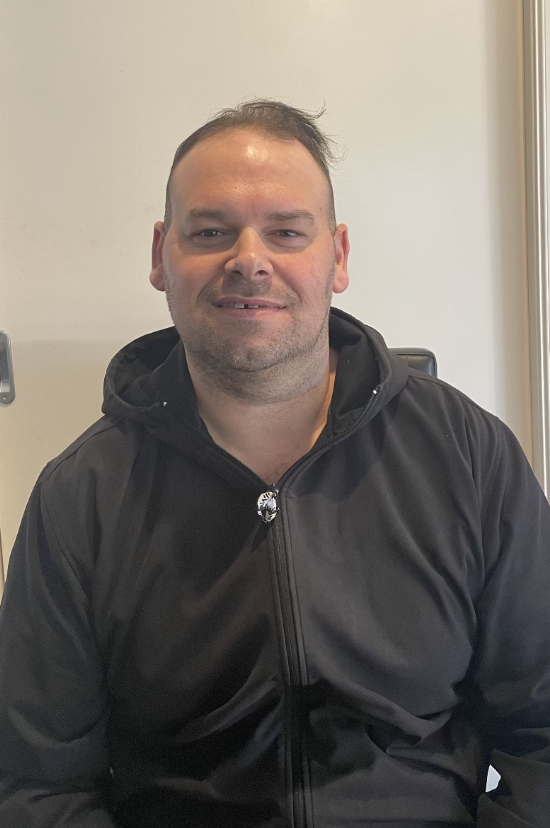
Background Jonathan is a 29-year-old man who prefers to be called “Magic” — a name he chose for himself because of his lifelong fascination with card tricks, illusions, and the wonder of magic shows. Living with an intellectual disability, Magic has faced many barriers throughout his life. He has often struggled with communication, understanding complex information, and managing everyday tasks like cooking, budgeting, and travelling independently.
Although he has a loving family, his disability left him feeling excluded from many social opportunities. He often stayed home, watching the same movies on repeat, dreaming of one day performing magic tricks for a crowd. When he first came to Grace Recovery Hub, he told us:
“People don’t always understand me… but when I do magic, I feel special.”

Challenges Before Support
Magic’s disability made it difficult for him to build independence. His days lacked routine, and he relied heavily on family members for meals, appointments, and transport. He wanted to contribute more at home, be part of his community, and — most of all — feel proud of himself.
His family’s main goals were for Magic to:
- Develop daily living skills (personal care, cleaning, and home routines).
- Build social connections to reduce isolation.
- Gain confidence in community participation.
- Explore his love for magic tricks in a way that could bring him joy and purpose.
Our Approach
At Grace Recovery Hub, we worked with Magic and his family to design a Specialist Support Worker plan tailored to his passions, abilities, and challenges. Our approach was person-centred — meaning every decision was based on his needs, his goals, and what would make him feel empowered.
Key strategies included:
- Skill-building through interests: Using his love of magic to encourage learning and engagement.
- Routine and structure: Creating simple, step-by-step daily routines with visual aids and reminders.
- Community engagement: Organising safe, enjoyable outings and drives suited to his interests.
- Family collaboration: Working closely with his family to ensure consistency at home.
Day-to-Day Support with Magic
Morning Routine & Daily Skills
Our support workers helped Magic establish a morning routine, starting with basic self-care, preparing simple breakfasts, and choosing clothes independently. At first, he needed prompts and guidance, but over time, he began initiating these steps himself. Small wins — like brushing his teeth without reminders — became big milestones in his journey.
Drives & Outings
Magic enjoys getting out of the house, but public transport and busy crowds were once overwhelming for him. With the support of our workers, he now goes for regular drives around the community — whether it’s to visit a local park, stop for a snack, or simply enjoy a scenic ride. These outings not only reduce his feelings of isolation but also give him the freedom to explore safely.
Activities That Match His Interests
Our team makes sure Magic’s days are filled with activities he enjoys and that help him grow. From visiting a local magic shop, to practicing card tricks with his support worker, or going to see a movie at the cinema, each activity is chosen to suit his interests. This keeps him engaged, motivated, and excited about his daily routine.
Emotional & Social Support
Living with an intellectual disability can sometimes leave Magic feeling frustrated or misunderstood. Our support workers provide reassurance, patience, and gentle encouragement, helping him regulate emotions and communicate his needs. Most importantly, he feels listened to and respected as an individual.
Outcomes and Achievements
Since working with Grace Recovery Hub, Magic’s progress has been inspiring:
- Increased Independence: He now manages parts of his daily routine with minimal prompts, including preparing snacks and helping with home chores.
- Stronger Social Skills: Magic attends community outings and activities weekly and has formed new friendships.
- Community Belonging: He has performed his magic tricks for small groups, building confidence and pride in his abilities.
- Improved Emotional Wellbeing: Magic feels valued, supported, and less isolated. His family reports that he is “happier, calmer, and more motivated” at home.
- Future Goals: Magic dreams of hosting a small “Magic Show Night” for his peers at Grace Recovery Hub — and we are working with him to make this a reality.
Conclusion
Magic’s story shows that with the right support, abilities shine brighter than disabilities. At Grace Recovery Hub, we don’t just focus on challenges — we focus on possibilities. By embracing his love for magic, providing structured daily support, and creating opportunities for community connection, we have helped Magic create a life that is more independent, joyful, and fulfilling.
Magic reminds us every day that recovery and growth are not only possible — they can be extraordinary.










































![20200913_161833[10785] Profile Pic](https://84b.db5.myftpupload.com/wp-content/uploads/2026/01/20200913_16183310785-Profile-Pic-scaled.jpg#352)